Prostate Cancer: Radiation Therapy Overview
English Version
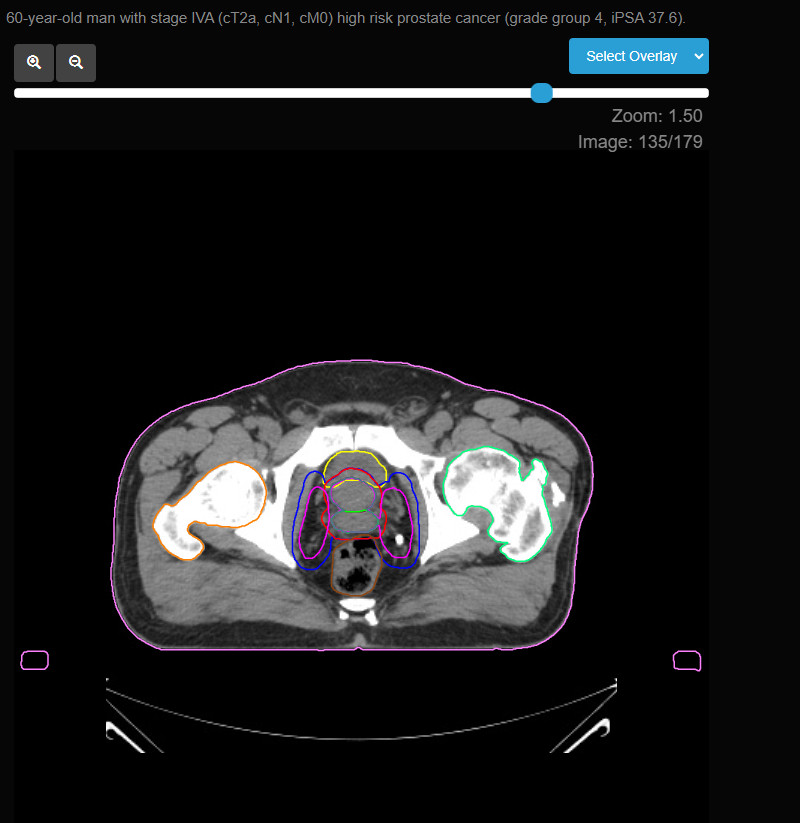
Radiation therapy is one of the most effective treatment options for prostate cancer and can be used across different stages of the disease. It offers a non-invasive alternative to surgery and is also used in combination with other therapies.
1. Indications for Radiation Therapy
- Definitive Radiation Therapy: Radiation therapy is a standard treatment for localized prostate cancer (stages I-III). It is often chosen by patients who wish to avoid surgery or who are not suitable candidates for surgery due to age or comorbidities.
- Postoperative (Adjuvant or Salvage) Radiation Therapy: After a prostatectomy, radiation therapy may be indicated if there are high-risk features such as positive surgical margins, extracapsular extension, or seminal vesicle involvement. Salvage radiation is used when there is biochemical recurrence after surgery, indicated by a rising PSA level.
- Radiation Therapy for Locally Advanced Disease: For patients with locally advanced prostate cancer (stage III), radiation therapy is often combined with androgen deprivation therapy (ADT) to improve outcomes.
- Palliative Radiation Therapy: In cases of metastatic prostate cancer, radiation therapy can be used to alleviate symptoms such as bone pain, spinal cord compression, or urinary obstruction.
2. Treatment Field
- Prostate and Seminal Vesicles: The radiation field typically includes the prostate gland and the seminal vesicles, especially in cases of locally advanced disease. The field may also include the pelvic lymph nodes if there is a significant risk of nodal involvement.
- Pelvic Lymph Nodes: For high-risk patients or those with locally advanced disease, the treatment field may extend to include the pelvic lymph nodes, covering the obturator, external iliac, internal iliac, and presacral nodes.
- Boost to Tumor Site: A boost dose may be delivered specifically to the prostate and any areas of extracapsular extension to ensure adequate treatment of the tumor.
3. Radiation Dose
- Definitive Radiation Therapy: Typical doses range from 74-80 Gy delivered in 1.8-2 Gy fractions over 7-8 weeks. Hypofractionation, where higher doses are given in fewer fractions, is also becoming more common, with doses of 60-70 Gy delivered in 20-28 fractions.
- Postoperative Radiation Therapy: The dose is usually 60-70 Gy in 1.8-2 Gy fractions over 6-7 weeks, depending on the extent of the residual disease or recurrence.
- Palliative Radiation Therapy: Lower doses are used for symptom control, typically 8-30 Gy in 1-10 fractions, depending on the site and severity of symptoms.
4. Treatment Techniques
- Intensity-Modulated Radiation Therapy (IMRT): IMRT is the most commonly used technique for prostate cancer. It allows for precise dose distribution, minimizing exposure to surrounding organs such as the rectum, bladder, and bowel.
- Volumetric Modulated Arc Therapy (VMAT): VMAT is an advanced form of IMRT that delivers radiation in a continuous arc around the patient, improving treatment efficiency and reducing treatment times.
- Stereotactic Body Radiation Therapy (SBRT): SBRT delivers high doses of radiation over a few fractions and is increasingly used for certain prostate cancer patients, particularly those with localized disease.
- Proton Therapy: Proton therapy may be used in select cases to minimize radiation exposure to surrounding healthy tissues, particularly beneficial for younger patients or those with pre-existing bowel issues.
5. Side Effects
- Acute Effects: Common acute side effects include urinary symptoms such as frequency, urgency, and dysuria; bowel symptoms such as diarrhea or rectal irritation; and fatigue.
- Late Effects: Potential long-term side effects include urinary incontinence, erectile dysfunction, rectal bleeding, and bowel dysfunction. The risk of secondary cancers due to radiation exposure is low but exists.
6. Follow-up
- PSA Monitoring: Regular follow-up includes monitoring PSA levels to detect any signs of recurrence early. PSA is typically measured every 3-6 months for the first few years and then annually.
- Imaging: In cases of suspected recurrence or rising PSA, imaging studies such as MRI, CT, or PET/CT may be used to locate the recurrence.
- Clinical Examination: Regular physical exams are essential to assess urinary, bowel, and sexual function, and to monitor for any late side effects.
- Management of Late Effects: Long-term follow-up is necessary to manage potential late effects such as urinary or bowel dysfunction, and to monitor overall health, including cardiovascular risks associated with androgen deprivation therapy.
Korean Version
방사선 치료는 전립선암 치료에서 가장 효과적인 옵션 중 하나이며, 질병의 다양한 단계에서 사용할 수 있습니다. 수술에 대한 비침습적 대안일 뿐만 아니라 다른 치료와 결합하여 사용됩니다.
1. 방사선치료 적응증
- 정확한 방사선 치료: 방사선 치료는 국소 전립선암(Ⅰ-Ⅲ기)에 대한 표준 치료법입니다. 수술을 피하거나 나이 또는 동반 질환으로 인해 수술이 적합하지 않은 환자들이 자주 선택합니다.
- 수술 후(보조 또는 구제) 방사선 치료: 전립선 절제술 후 양성 절제 변연, 피막 외 확장 또는 정낭 침범과 같은 고위험 특징이 있는 경우 방사선 치료가 필요할 수 있습니다. 수술 후 PSA 수치 상승으로 인한 생화학적 재발이 있는 경우 구제 방사선 치료가 사용됩니다.
- 국소 진행성 질환에 대한 방사선 치료: 국소 진행성 전립선암(Ⅲ기) 환자에게 방사선 치료는 종종 안드로겐 차단 요법(ADT)과 결합하여 결과를 개선합니다.
- 완화 방사선 치료: 전이성 전립선암의 경우, 방사선 치료는 뼈 통증, 척수 압박 또는 배뇨 폐쇄와 같은 증상을 완화하기 위해 사용될 수 있습니다.
2. 치료 범위
- 전립선 및 정낭: 방사선 치료 범위에는 일반적으로 전립선과 정낭이 포함되며, 특히 국소 진행성 질환의 경우 그렇습니다. 림프절 침범 위험이 높은 경우 치료 범위에 골반 림프절이 포함될 수 있습니다.
- 골반 림프절: 고위험 환자나 국소 진행성 질환이 있는 경우, 치료 범위는 외장골, 내장골, 폐쇄, 천골 전 림프절을 포함하는 골반 림프절로 확장될 수 있습니다.
- 종양 부위에 대한 부스트: 종양을 충분히 치료하기 위해 전립선 및 피막 외 확장이 있는 부위에 추가 방사선 부스트가 제공될 수 있습니다.
3. 방사선 선량
- 정확한 방사선 치료: 일반적인 선량은 7-8주 동안 1.8-2 Gy로 분할된 74-80 Gy 범위입니다. 고선량 분할(Hypofractionation)은 점점 더 흔해지고 있으며, 20-28회 분할로 60-70 Gy의 선량이 사용됩니다.
- 수술 후 방사선 치료: 선량은 잔여 질병 또는 재발의 범위에 따라 6-7주 동안 1.8-2 Gy로 분할된 60-70 Gy입니다.
- 완화 방사선 치료: 증상 완화를 위해 낮은 선량이 사용되며, 일반적으로 1-10회 분할로 8-30 Gy 범위입니다.
4. 치료 기법
- 강도 변조 방사선 치료(IMRT): IMRT는 전립선암 치료에서 가장 많이 사용되는 기법입니다. 정밀한 선량 분포를 가능하게 하여 직장, 방광 및 장과 같은 주변 장기에 대한 노출을 최소화할 수 있습니다.
- 체적 변조 아크 치료(VMAT): VMAT는 IMRT의 고급 형태로, 연속적인 아크를 통해 방사선을 전달하여 치료 효율성을 높이고 치료 시간을 줄입니다.
- 정위체 방사선 치료(SBRT): SBRT는 몇 번의 치료로 고선량을 전달하며, 특히 국소 질환을 가진 전립선암 환자에게 점점 더 많이 사용되고 있습니다.
- 양성자 치료: 양성자 치료는 특히 젊은 환자나 기존에 장 문제가 있는 환자에게 주변 건강한 조직에 대한 방사선 노출을 최소화하는 데 유리한 경우 사용될 수 있습니다.
5. 부작용
- 급성 부작용: 일반적인 급성 부작용으로는 빈뇨, 급뇨, 배뇨통과 같은 배뇨 증상, 설사 또는 직장 자극과 같은 장 증상, 피로가 포함됩니다.
- 지연된 부작용: 장기적인 부작용으로는 요실금, 발기 부전, 직장 출혈, 장 기능 장애가 포함될 수 있습니다. 방사선 노출로 인한 이차 암 발생 위험은 낮지만 존재합니다.
6. 추적 관리
- PSA 모니터링: 정기적인 추적 관리에는 재발의 징후를 조기에 감지하기 위한 PSA 수치 모니터링이 포함됩니다. PSA는 일반적으로 처음 몇 년 동안 3-6개월마다, 그 후에는 매년 측정됩니다.
- 영상 검사: 재발이 의심되거나 PSA 수치가 상승한 경우, MRI, CT, 또는 PET/CT와 같은 영상 검사를 통해 재발 부위를 찾을 수 있습니다.
- 임상 검사: 배뇨, 장 기능, 성기능을 평가하고 지연된 부작용을 모니터링하기 위한 정기적인 신체 검사가 필수적입니다.
- 지연된 부작용 관리: 요 또는 장 기능 장애와 같은 지연된 부작용을 관리하고 전반적인 건강, 특히 안드로겐 차단 요법과 관련된 심혈관 위험을 모니터링하기 위해 장기적인 추적 관리가 필요합니다.


Prostate Cancer: Radiation Therapy Overview
English Version
Radiation therapy is one of the most effective treatment options for prostate cancer and can be used across different stages of the disease. It offers a non-invasive alternative to surgery and is also used in combination with other therapies.
1. Indications for Radiation Therapy
2. Treatment Field
3. Radiation Dose
4. Treatment Techniques
5. Side Effects
6. Follow-up
Korean Version
방사선 치료는 전립선암 치료에서 가장 효과적인 옵션 중 하나이며, 질병의 다양한 단계에서 사용할 수 있습니다. 수술에 대한 비침습적 대안일 뿐만 아니라 다른 치료와 결합하여 사용됩니다.
1. 방사선치료 적응증
2. 치료 범위
3. 방사선 선량
4. 치료 기법
5. 부작용
6. 추적 관리